
1. Introduction
As renewable energy adoption accelerates globally, two interlinked challenges are emerging: the rapid accumulation of end-of-life lithium-ion batteries (LIBs) from electric vehicles (EVs) and the persistent need for reliable, low-cost energy storage in solar-powered homes. A growing body of research, including the study “Second-Life Electric Vehicle Batteries for Home Photovoltaic Systems: Transforming Energy Storage and Sustainability,” demonstrates that these two challenges can be solved simultaneously through the strategic repurposing of EV batteries into residential energy storage systems. This approach not only strengthens solar PV reliability especially in monsoon-prone regions but also supports a circular economy model that reduces waste and extends battery life.
2. Circular Lifecycle of Second-Life EV Batteries
The lifecycle of a second-life EV battery follows a well-defined circular pathway designed to maximize resource efficiency and environmental sustainability. Lithium-ion batteries begin their service life in electric vehicles where high power demand, rigorous cycling, and stringent performance thresholds gradually degrade capacity. Once the battery reaches an automotive end-of-life state-of-health of around 70–80%, it is no longer suitable for EV use. Rather than discarding it or sending it directly for recycling, the battery undergoes a structured evaluation and repurposing process. As shown in Figure 1, the battery is first diagnosed for remaining capacity, internal resistance, degradation behavior, and safety characteristics. Usable modules are then reconditioned, reassembled into standardized packs, and deployed in stationary energy storage systems for homes and small commercial facilities. This circular lifecycle significantly reduces lithium-ion battery waste, delays the need for recycling, and minimizes reliance on new raw materials.
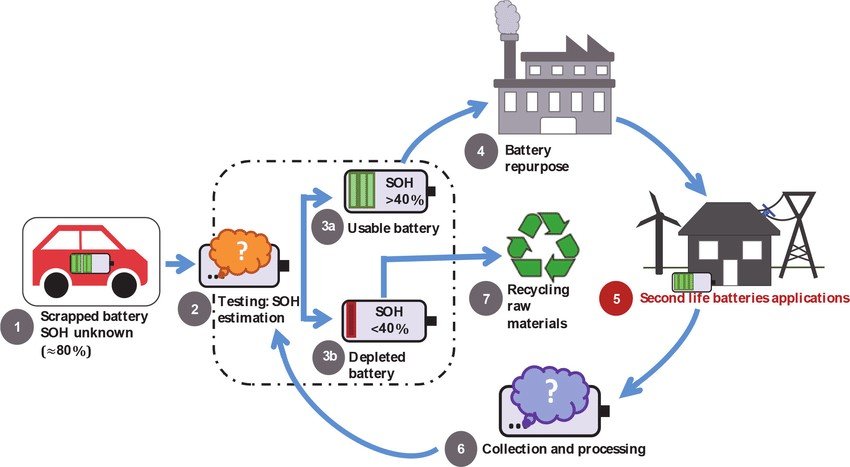
Figure 1. Circular Lifecycle Framework for Second-Life EV Batteries in Renewable Energy Applications
3. The Need for Enhanced Storage in Tropical Solar PV Systems
Integrating second-life EV batteries with residential photovoltaic systems provides a technically robust and economically attractive pathway for enhancing solar energy utilization. In tropical and monsoon-dominated regions, where sunlight availability fluctuates heavily, reliable energy storage is essential to maintain power continuity. Traditional lead–acid batteries have long been used for such applications but are limited by short cycle life, low depth-of-discharge, high maintenance needs, and environmental disposal challenges. In contrast, second-life EV batteries offer higher efficiency, longer usable life, lower lifecycle emissions, and significantly better economic performance. According to the referenced study, replacing lead–acid storage with second-life EV batteries reduces lifetime cost by approximately 12.6% and lowers associated CO₂ emissions by more than 20%.
4. System Architecture: Integrating Second-Life Batteries with Home PV
Figure 2 illustrates the system architecture of a home PV installation integrated with a second-life EV battery energy storage system. In this configuration, the solar PV array generates DC power during sunlight hours, which is managed by a hybrid inverter that supplies home AC loads while charging the second-life battery pack. A dedicated Battery Management System (BMS) ensures optimized charging, depth-of-discharge control, cell balancing, and thermal safety. During nighttime, cloudy periods, or grid outages, the stored energy is discharged to maintain a stable household supply. This architecture not only maximizes solar self-consumption but also allows peak shaving, load shifting, and reduced grid dependency improving the overall resilience and efficiency of residential energy systems.
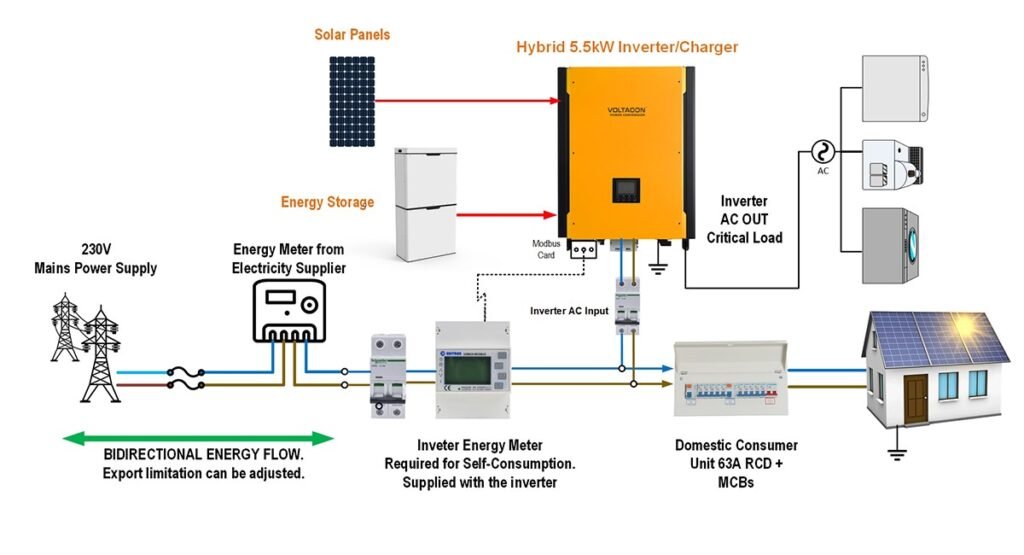
Figure 2. System Architecture of a Home Photovoltaic Energy System with Integrated Second-Life EV Battery Storage.
5. Technical and Operational Challenges
While second-life battery systems present promising benefits, several technical and operational considerations must be addressed. Differences in battery chemistry, pack configuration, and degradation patterns require standardized testing protocols before repurposing. Safety assessments including thermal stability testing are critical to prevent risks such as thermal runaway. Long-term system reliability depends on effective BMS design, optimized charging algorithms, and controlled depth-of-discharge strategies. Additionally, economic feasibility varies by region based on battery availability, solar potential, electricity tariffs, and regulatory support for energy storage deployments.
6. Regional Implications: Opportunities for Malaysia and Southeast Asia
For Malaysia and other Southeast Asian regions, the potential impact is particularly significant. Monsoon-related intermittency challenges, combined with increasing EV adoption and limited battery recycling infrastructure, make second-life EV battery repurposing a strategic opportunity. Deploying second-life PV–ESS systems could accelerate rural electrification, reduce national e-waste burdens, and support climate sustainability goals through smarter, cleaner, and more reliable home energy solutions.
7. Conclusion
Repurposing EV batteries for residential solar energy storage represents a high-impact, future-ready solution that simultaneously addresses environmental, technical, and economic challenges. By integrating second-life EV batteries into home PV systems, households gain improved power reliability and reduced costs, while the energy industry moves closer to a true circular economy. As EV adoption increases and renewable integration deepens, second-life battery systems stand poised to become a central component of next-generation sustainable energy infrastructure.
good