
Introduction
The global energy sector is undergoing a fundamental transformation driven by climate change mitigation targets, rapid electrification, and the large-scale integration of renewable energy sources. Traditional power systems, which rely on centralized generation and one-way electricity flow, are increasingly inadequate for handling variable renewable generation, distributed energy resources, and dynamic consumer demand. Smart energy systems have emerged as a next-generation solution that combines digital intelligence, advanced communication, and flexible energy infrastructure to deliver reliable, efficient, and sustainable power.
Concept of Smart Energy Systems
A smart energy system is an integrated framework where electricity generation, transmission, distribution, storage, and consumption are actively monitored and controlled using digital technologies. Unlike conventional grids, smart energy systems support two-way energy and data flow, allowing both utilities and consumers to respond dynamically to changing conditions. This capability is essential for managing renewable energy variability, reducing energy losses, and improving overall system efficiency.
Figure 1 illustrates Smart energy systems are transforming how electricity is generated, distributed, stored, and consumed. Instead of the one-way flow of power from large utility plants to passive consumers, modern energy networks enable bi-directional energy and information exchange, integrating renewable sources, energy storage, distributed generation, and smart devices to optimize performance, cost, and sustainability.
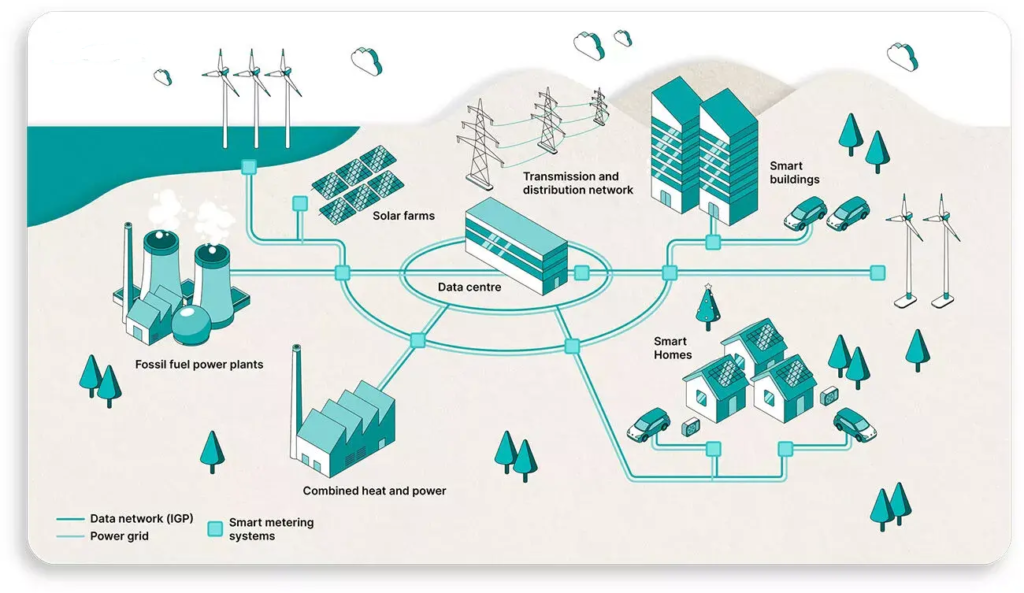
Figure 1: Architecture of a smart energy system.
At the core of smart energy systems are advanced sensing technologies, smart meters, and energy management platforms that collect real-time data on voltage, frequency, generation, and consumption. These data streams enable intelligent decision-making, automated control, and predictive optimization across the entire power network.
Role of Renewable Energy and Energy Storage
Renewable energy sources such as solar photovoltaic (PV) and wind power form the backbone of smart energy systems. However, their intermittent nature poses challenges to grid stability. Energy storage systems, particularly battery energy storage systems (BESS), play a critical role in addressing this issue. Storage systems absorb excess renewable energy during periods of high generation and release it during peak demand or low generation periods, effectively decoupling energy production from consumption.
When integrated with smart control algorithms, energy storage enhances grid flexibility, improves power quality, and reduces reliance on fossil-fuel-based peaking plants. Storage systems also support ancillary services such as frequency regulation, voltage control, and backup power during outages.
Figure 2 presents the key components of a smart grid, including distributed energy resources, substations, communication networks, control centers, and consumer-side smart devices. Solid lines represent power flow, while communication links enable real-time data exchange between utilities and end users, forming an intelligent and self-regulating energy network.
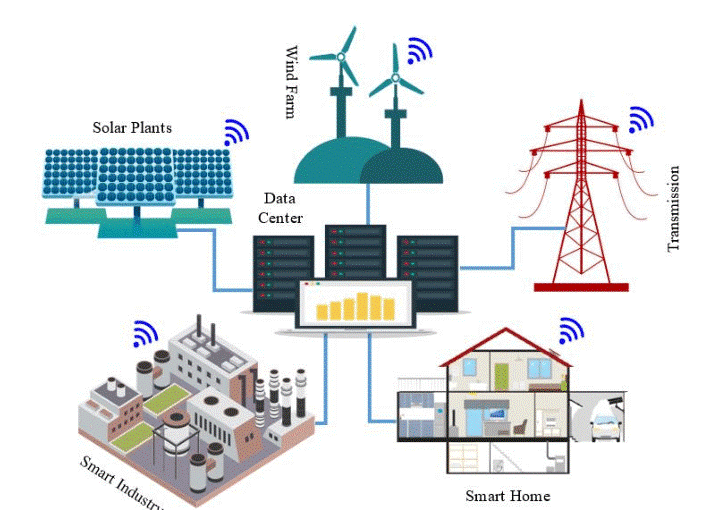
Figure 2: Smart Grid Architecture with Distributed Energy Resources and Real-Time Communication. Solid lines represent power flow, while communication links enable real-time data exchange.
Consumer Participation and Smart Demand Management
One of the defining features of smart energy systems is the transformation of consumers into prosumers entities that both consume and produce energy. Households equipped with rooftop PV systems, smart appliances, electric vehicles, and home energy management systems actively participate in energy management. Through smart meters and digital platforms, consumers can monitor their energy usage, respond to time-of-use pricing, and participate in demand response programs.
This active participation reduces peak demand, lowers electricity costs, and enhances grid stability. Demand-side flexibility becomes a valuable resource, enabling utilities to manage load variations without extensive infrastructure expansion.
Technical Benefits of Smart Energy Systems
| Aspect | Smart Energy System | Conventional Power System |
| Energy Flow | Bidirectional | One-way |
| Renewable Integration | High and flexible | Limited |
| Grid Reliability | Self-healing and automated | Manual fault recovery |
| Energy Efficiency | Optimized in real time | Fixed operation |
| Consumer Role | Active prosumer | Passive consumer |
| Environmental Impact | Low emissions | High emissions |
Grid Reliability and Resilience
From a utility perspective, smart energy systems significantly improve reliability and resilience. Automated fault detection, self-healing distribution networks, and predictive maintenance reduce outage duration and operational costs. Advanced analytics and artificial intelligence enable accurate demand forecasting, asset management, and infrastructure planning, ensuring that the grid can adapt to increasing electrification and renewable penetration.
Environmental and Economic Impact
Smart energy systems contribute directly to decarbonization by maximizing renewable energy utilization and minimizing energy losses. Reduced dependence on fossil-fuel-based generation lowers greenhouse gas emissions, while optimized energy use improves overall system sustainability. Economically, smart energy systems reduce operational costs, defer infrastructure investments, and create new business opportunities in energy services, storage, and digital platforms.
Conclusion
Smart energy systems represent a paradigm shift from rigid, centralized power networks to intelligent, flexible, and user-centric energy ecosystems. By integrating renewable energy, energy storage, digital communication, and active consumer participation, they provide a scalable solution to modern energy challenges. As electrification accelerates and sustainability targets become more ambitious, smart energy systems will form the backbone of future power infrastructure delivering reliable, efficient, and low-carbon energy for societies worldwide.