
Introduction
Achieving net-zero CO₂ emissions is a central objective of global climate policy and energy transition strategies. The increasing penetration of renewable energy sources such as solar and wind is essential for decarbonization; however, their intermittent nature poses significant challenges to grid stability and reliability. At the same time, the rapid adoption of electric vehicles is leading to a growing volume of retired lithium-ion batteries. Second-life EV batteries, which retain substantial residual capacity after automotive use, present a unique and synergistic opportunity to support renewable energy integration while reducing lifecycle carbon emissions. Their deployment directly aligns clean mobility with clean energy systems.
Second-Life EV Batteries and Their Role in Net-Zero Pathways
Electric vehicle batteries are generally retired from vehicular service when their state of health declines to approximately 70–80 percent, a level that no longer meets performance requirements for driving range and power delivery. Nevertheless, these batteries remain highly suitable for stationary energy storage applications, where energy density and weight constraints are less critical. By extending battery life through second-life applications, the energy-intensive processes associated with mining, refining, and manufacturing new batteries can be deferred or avoided. This reuse strategy significantly lowers cumulative CO₂ emissions across the battery lifecycle and supports circular economy principles, which are increasingly recognized as essential for achieving long-term sustainability targets.
Figure 1 illustrates the lifecycle CO₂ emissions of EV batteries under two scenarios: direct recycling after vehicle retirement and reuse in second-life stationary storage prior to recycling. In the second-life pathway, emissions associated with battery manufacturing are amortized over a longer operational lifespan, resulting in a substantially lower CO₂ footprint per kilowatt-hour delivered. This extended utilization period is a critical factor in reducing the overall environmental impact of large-scale battery deployment.
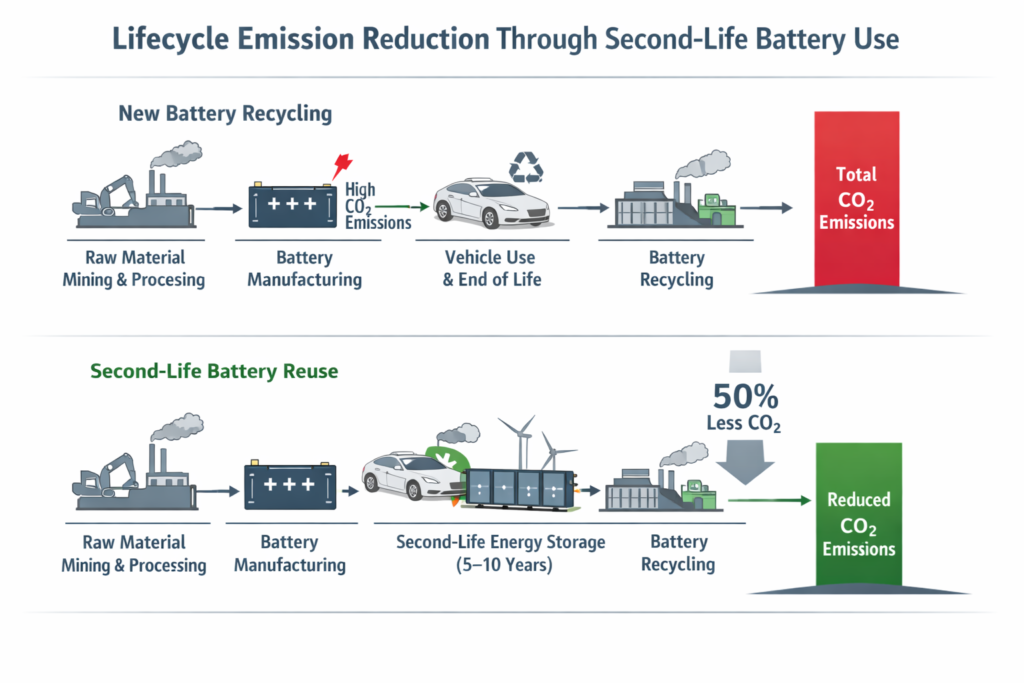
Figure 1: Lifecycle Emission Reduction Through Second-Life Battery Use
Integration of Second-Life EV Batteries into Renewable Energy Systems
Second-life EV batteries play a vital role in bridging the gap between variable renewable energy generation and electricity demand. Excess electricity generated during periods of high solar or wind output can be stored and later discharged during peak demand or low renewable availability. This capability reduces reliance on fossil-fuel-based peaking power plants, which are typically responsible for disproportionate CO₂ emissions. In distributed energy systems, such as microgrids and commercial facilities, second-life batteries enhance energy autonomy and resilience while simultaneously lowering carbon intensity.
Figure 2 presents a system-level view of how second-life EV batteries support net-zero energy systems. Renewable energy sources feed electricity into stationary storage composed of repurposed EV batteries, which then supply clean power to residential, commercial, and grid-level loads. By smoothing renewable output and stabilizing the grid, these batteries enable higher renewable penetration and reduce fossil fuel backup generation, thereby accelerating progress toward net-zero emissions.
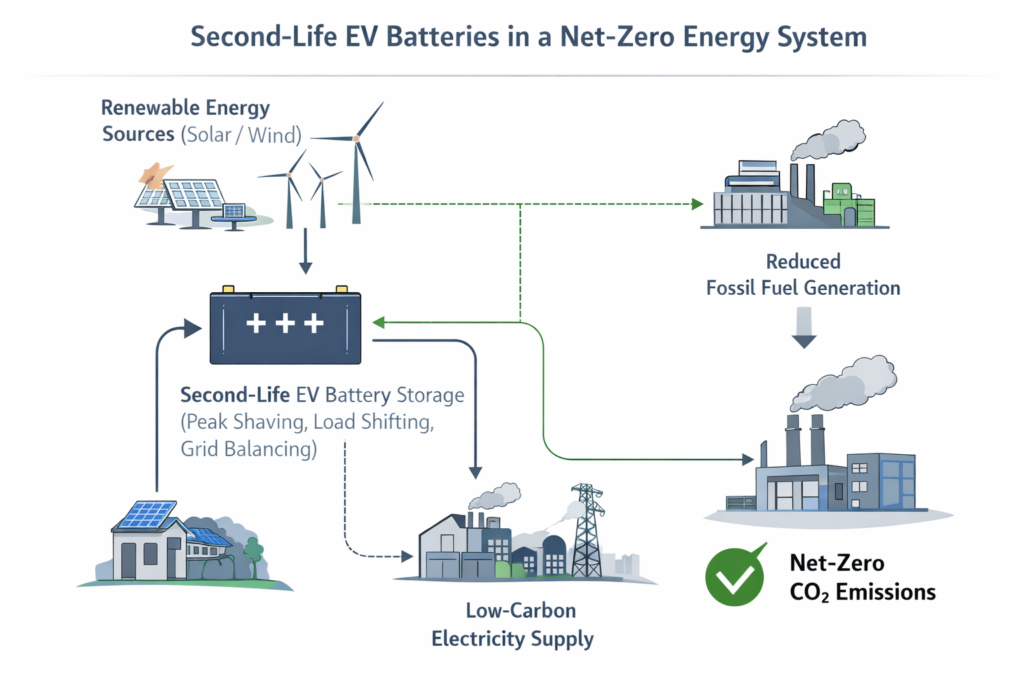
Figure 2: Second-Life EV Batteries in a Net-Zero Energy System
Table 1 compares the lifecycle CO₂ emissions of different energy storage technologies, including new lithium-ion batteries, second-life EV batteries, lead-acid batteries, and pumped hydro storage. The table highlights that second-life EV batteries have significantly lower embodied carbon than newly manufactured lithium-ion batteries because they require minimal additional material processing. While pumped hydro exhibits low operational emissions, its high upfront infrastructure requirements and geographical limitations restrict scalability. Second-life EV batteries, by contrast, offer a low-carbon and flexible solution for a wide range of applications.
Table 1: Lifecycle CO₂ Emissions of Energy Storage Options
| Storage Technology | Manufacturing CO₂ (kg CO₂/kWh) | Operational Emissions | Scalability | Net-Zero Suitability |
| New Li-ion Battery | 75–100 | Very Low | High | Moderate |
| Second-Life EV Battery | 15–30 | Very Low | High | High |
| Lead-Acid Battery | 40–60 | Moderate | Medium | Low |
| Pumped Hydro | High (infrastructure) | Very Low | Limited | Medium |
Applications and Carbon Reduction Potential
Second-life EV batteries are already being deployed across a wide range of applications, including renewable energy storage, EV charging stations, commercial peak shaving, and community microgrids. Their carbon reduction potential increases when paired with high renewable penetration and intelligent energy management systems. By enabling demand-side flexibility and reducing peak grid demand, these batteries contribute to both direct and indirect CO₂ emission reductions, particularly in regions where electricity generation still relies partially on fossil fuels.
Table 2 summarizes common second-life battery applications and their associated CO₂ reduction benefits. The table demonstrates that the largest emission reductions are achieved in applications that displace fossil-based peaking generation or enhance renewable self-consumption.
Table 2: Typical Applications and CO₂ Reduction Benefits
| Application Area | Primary Function | Estimated CO₂ Reduction Impact |
| Solar PV + Storage | Renewable energy shifting | High |
| EV Charging Stations | Grid load buffering | Medium–High |
| Commercial Buildings | Peak shaving | Medium |
| Microgrids | Energy resilience and decarbonization | High |
Technical and Regulatory Challenges
Despite their advantages, second-life EV batteries face several technical and regulatory challenges. Battery degradation, performance variability, and safety risks must be carefully managed through advanced battery management systems and standardized testing protocols. Additionally, regulatory frameworks governing battery reuse, certification, and liability are still evolving in many regions. Addressing these challenges through harmonized standards, improved diagnostics, and supportive policies is essential for scaling second-life battery deployment in net-zero energy systems.
Conclusion
Second-life EV batteries represent a critical enabler of net-zero CO₂ emissions by extending battery lifespans, reducing embodied carbon, and supporting large-scale renewable energy integration. Their ability to provide cost-effective and low-carbon energy storage positions them as a strategic asset in future power systems. As electric vehicle adoption continues to grow, integrating second-life battery solutions into energy and climate strategies will be essential for achieving sustainable, resilient, and economically viable net-zero pathways.