
The global energy sector is undergoing a profound structural transformation driven by climate imperatives, rapid technological innovation, and increasing economic competitiveness. Renewable energy is no longer viewed as a supplementary option but is rapidly becoming the backbone of future power systems. This transition is reshaping how electricity is generated, stored, distributed, and consumed worldwide.
1. Growth Trajectory of Renewable Energy
Solar and wind energy continue to dominate global new electricity capacity additions. Significant cost reductions in photovoltaic (PV) modules, wind turbines, and balance-of-system components have made renewable technologies economically competitive with conventional fossil fuel-based generation. Furthermore, emerging solutions such as floating solar PV, offshore wind farms, and hybrid renewable plants are expanding deployment opportunities across diverse geographical and environmental conditions.
Figure 1 illustrates the rapid increase in installed renewable energy capacity over time, highlighting the accelerating contribution of solar and wind power compared to conventional energy sources. The trend confirms the long-term shift toward renewable-dominated electricity systems.
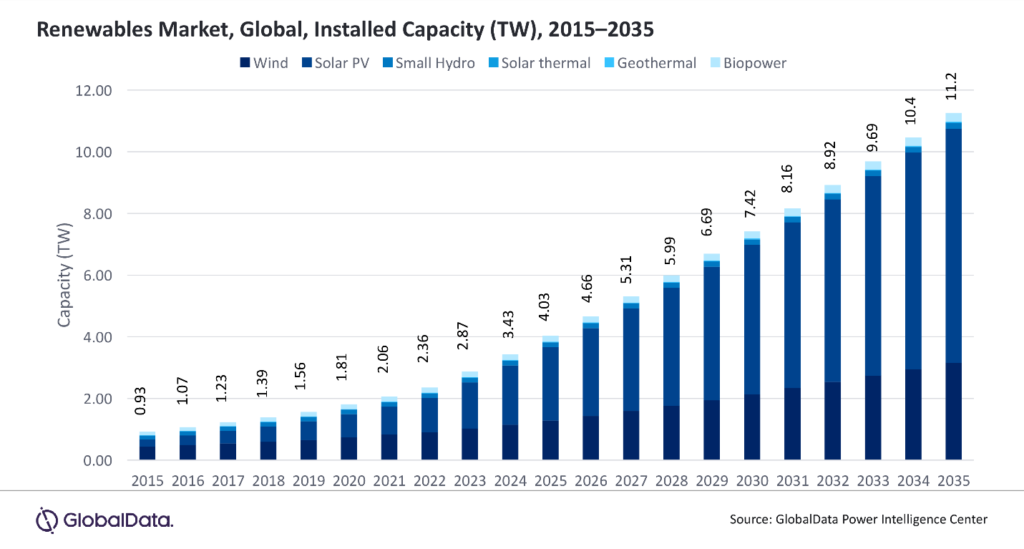
Figure 1. Global renewable energy capacity growth (2015–2035)
2. Role of Energy Storage in Renewable Integration
Despite their environmental benefits, renewable energy sources such as solar and wind are inherently intermittent. Energy storage systems therefore play a critical role in ensuring grid stability and reliability. Battery energy storage systems (BESS), pumped hydro storage, and emerging long-duration storage technologies such as hydrogen storage enable energy shifting, peak shaving, and frequency regulation.
In particular, second-life electric vehicle batteries are gaining attention as cost-effective and sustainable stationary storage solutions. These systems support circular economy principles by extending battery life while reducing waste and overall system costs. Figure 2 demonstrates the interaction between renewable generation sources, energy storage systems, and the power grid, emphasizing the role of storage in balancing supply and demand.
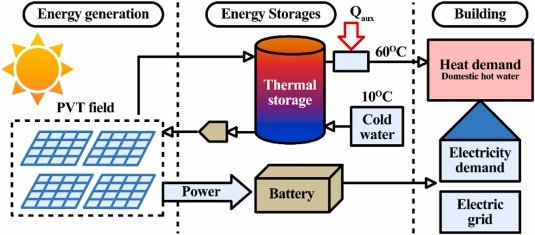
Figure 2. Renewable energy system with integrated energy storage
3. Digitalization and Smart Grids
The future renewable energy ecosystem is increasingly driven by digital technologies. Smart grids leverage artificial intelligence, machine learning, and real-time data analytics to optimize power generation, load forecasting, and energy dispatch. These capabilities enable effective integration of distributed energy resources, including rooftop solar, electric vehicles, microgrids, and demand-response programs. Digitalization transforms conventional power grids into intelligent, adaptive networks capable of managing complex and decentralized energy flows. Figure 3 presents a layered smart grid architecture consisting of sensors and intelligent electronic devices, communication networks, AI-based control and analytics platforms, and end-user applications such as EV charging and home energy management.
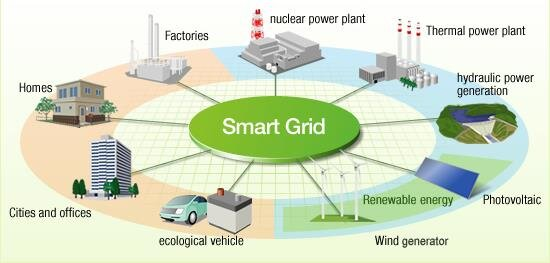
Figure 3. Smart grid architecture for renewable energy systems
4. Comparison of Renewable Energy Technologies
Different renewable energy technologies offer distinct advantages and limitations depending on application, location, and system requirements. A comparative overview is presented in Table 1.
Table 1. Comparison of major renewable energy technologies
| Technology | Key Advantages | Limitations | Typical Applications |
| Solar PV | Low cost, scalable, easy installation | Intermittent, land requirement | Rooftop, utility-scale plants |
| Wind Energy | High efficiency, mature technology | Site-specific, visual impact | Onshore and offshore wind farms |
| Hydropower | Stable output, long lifespan | Environmental impact, location-bound | Large-scale grid support |
| Biomass | Dispatchable, waste utilization | Emissions, feedstock availability | Industrial heat and power generation |
| Energy Storage | Grid stability, peak shaving | High upfront cost | Renewable integration, backup power |
5. Policy Support and Economic Impact
Supportive policy frameworks play a decisive role in accelerating renewable energy deployment. Government incentives, renewable portfolio standards, feed-in tariffs, and international climate agreements have significantly reduced investment risks and encouraged private-sector participation. Beyond environmental benefits, renewable energy investments are creating millions of jobs across manufacturing, installation, operation, and research sectors, positioning the energy transition as a major driver of sustainable economic growth.
Figure 4 highlights the interaction between government policies, investment, innovation, and emission reduction, demonstrating how coordinated policy actions accelerate renewable energy adoption.
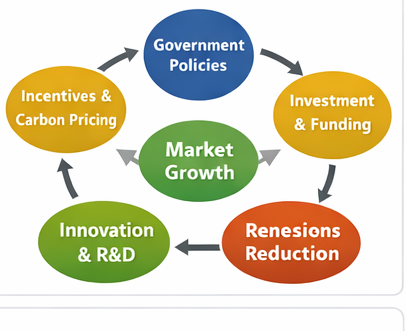
Figure 4. Policy-driven renewable energy adoption framework
6. Pathway Toward Net-Zero Emissions
Renewable energy will be central to achieving global net-zero emission targets. When combined with electrification of transport, green hydrogen production, advanced energy storage, and smart grids, renewables form the foundation of future low-carbon energy systems. Integrated planning and long-term investment strategies are essential to ensure a smooth and resilient transition. Figure 5 roadmap illustrates the gradual shift from fossil fuel-based energy systems toward renewable-dominated systems by 2050, supported by electric vehicles, energy storage, smart grids, and hydrogen technologies.
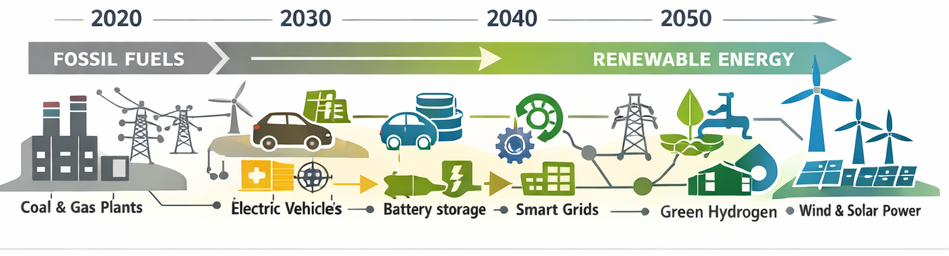
Figure 5. Net-zero energy transition roadmap
Conclusion
The future of renewable energy is being shaped by rapid technological progress, digital innovation, and strong policy alignment. While challenges related to grid integration, storage scalability, and sustainability remain, the transition toward a renewable-powered world is inevitable. Strategic investments, supportive policies, and continued innovation will determine the pace and success of this transformation, ensuring a secure, resilient, and sustainable energy future.